Commercial brief
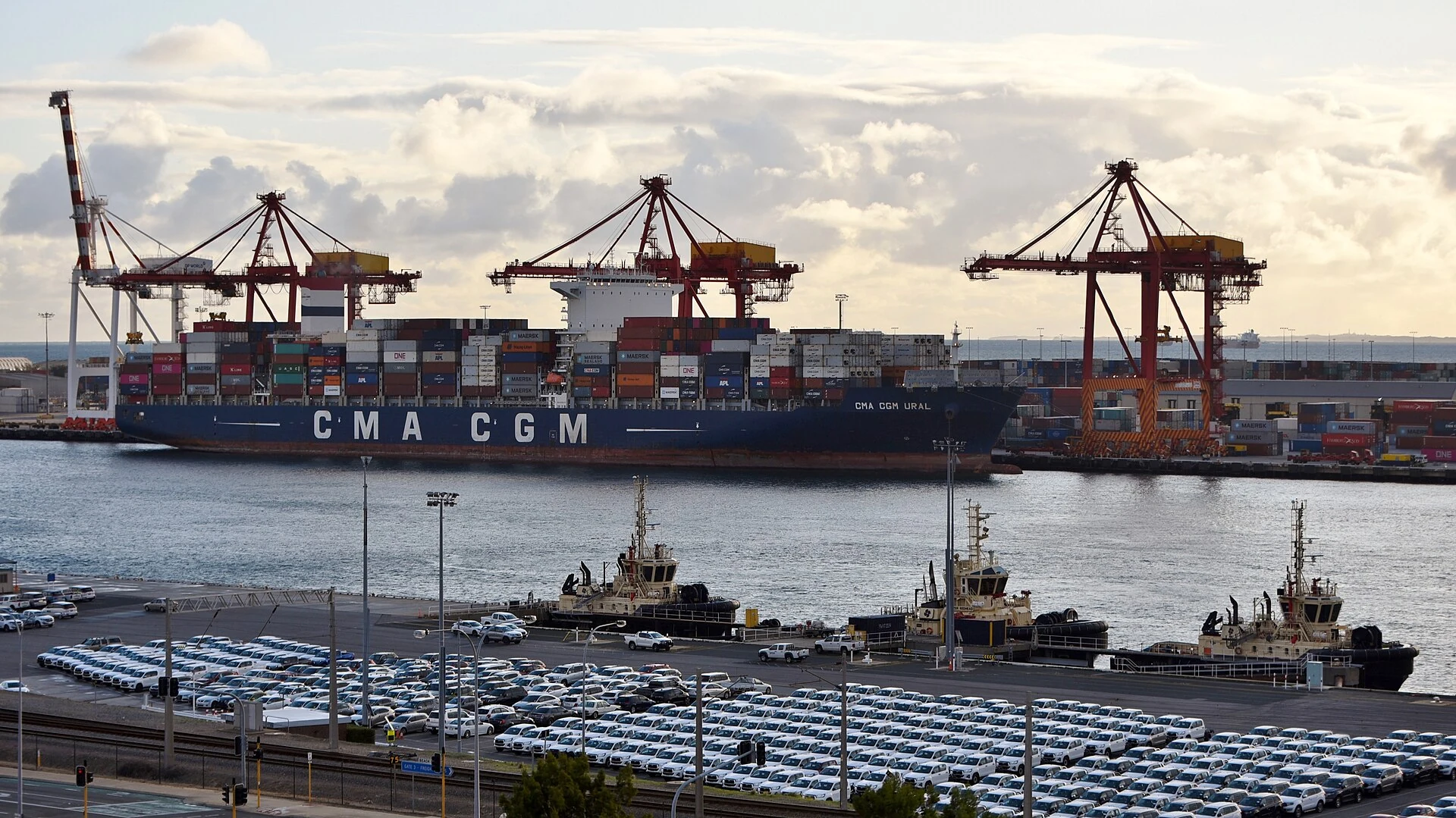
Westhaven Rotating Equipment required a coordinated operating framework for receiving industrial assemblies from Gulf customers, directing them through specialist repair facilities in Perth and returning them to their owners. Commercial exposure extended across the entire period of asset unavailability: uncertainty at any handover could disrupt workshop capacity, delay reinstatement and prolong the customer’s production constraints.
EMARAS established the Fremantle Asset Recovery programme to connect asset identification, pre-shipment preparation, customs coordination, workshop scheduling and re-export. The mandate treated each assembly as a traceable customer asset with a defined condition, repair scope and return obligation.
Asset identification and custody control
A dedicated asset file linked each assembly to its owner, serial number, technical description, recorded condition and repair instructions. Photographs, accessory inventories and handover records supported reconciliation between the equipment dispatched from origin, received in Australia and returned after intervention. Exceptions were assigned an owner before the equipment progressed to the next stage.
Pre-shipment preparation and biosecurity readiness
EMARAS coordinated cleaning and condition documentation before dispatch, with particular attention to residual soil, organic material and contamination on used equipment and transport supports. Preparation records were reviewed with the relevant logistics and inspection specialists. Any further inspection or treatment requirements were incorporated into the receiving schedule; preparation was not treated as a guarantee of regulatory release.
Australia Programme Execution
Customs planning and documentary coordination
Working with appointed customs specialists, EMARAS aligned shipment descriptions, serial references, declared values and repair-purpose documentation. The appropriate entry and re-export treatment was reviewed for each movement rather than assuming a universal duty exemption. The documentary chain preserved the relationship between the incoming assembly, the work performed and the asset subsequently returned to its owner.
Workshop allocation and repair acceptance
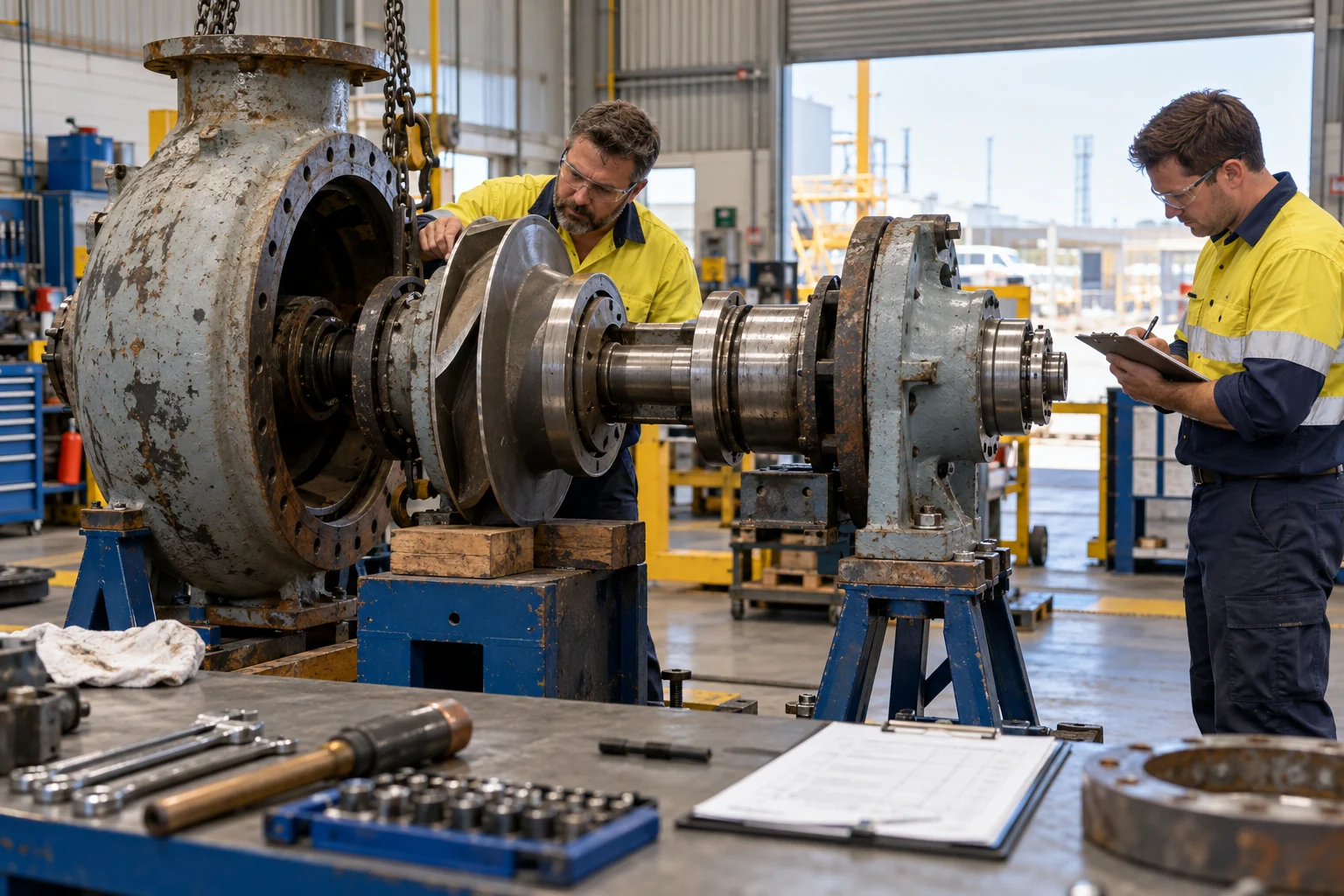
Inbound arrival windows were coordinated with workshop capacity, inspection slots and parts availability. On receipt, diagnostic findings were reconciled with the initial repair scope. Additional work, cost variations and revised completion dates followed an approval process before execution. Test records and repair reports formed the release package, supported by confirmation that outstanding technical matters had been resolved or accepted by the customer.
Re-export and return to service
Return movements were planned around equipment protection, packing integrity and the receiving site’s readiness. EMARAS coordinated export documentation, transport bookings and destination handovers while retaining the original asset identity throughout the process. The control dashboard linked customs status, workshop milestones, repair acceptance and return delivery to the customer’s reinstatement schedule.
Contract allocation
| Contract workstream | USD |
|---|---|
| Asset identification and traceability | 24,600 |
| Biosecurity preparation and readiness coordination | 32,400 |
| Customs planning and documentation control | 28,900 |
| Inbound logistics and workshop scheduling | 36,700 |
| Repair records and acceptance documentation | 29,800 |
| Re-export and return-delivery coordination | 24,500 |
| Control dashboard and operating handover | 17,900 |
| Contract value adjustment | −800 |
| Total contract value | 194,000 |
Strategic outcome
Westhaven received a record for each of the 18 assemblies, from origin dispatch to return delivery. Asset identity, repair acceptance and supporting documents remained traceable throughout the cycle. The client could assess equipment downtime, approve variations and escalate delays against its reinstatement schedule.
 Operational illustration · created for this project profile