Point of departure
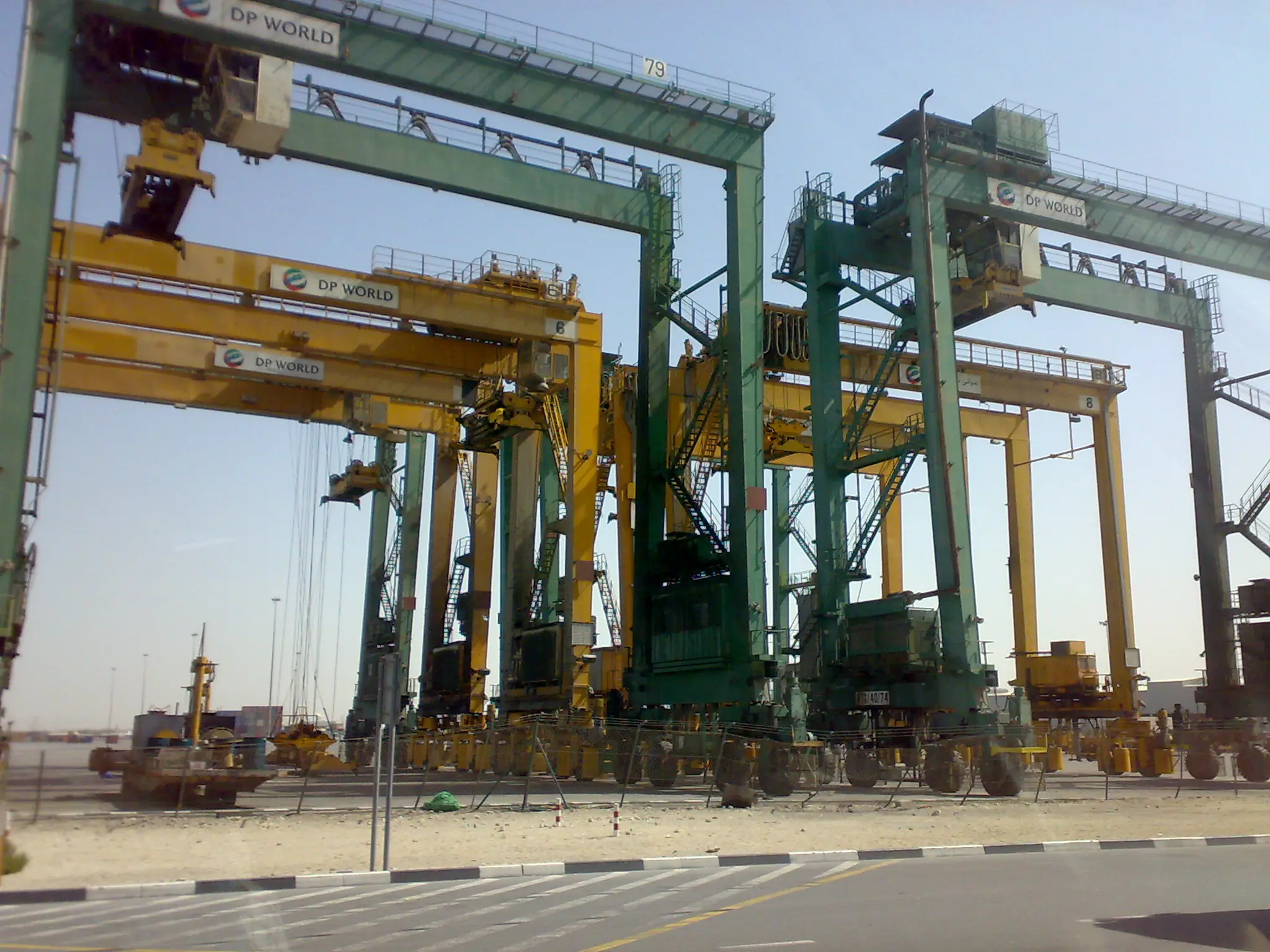
As Meridian Gulf Trading expanded its industrial equipment supply contracts across the Gulf, Jebel Ali Port became the operational nexus of its business. Purchase orders originated in several countries, while procurement data, shipping documents and delivery commitments sat in separate systems. A discrepancy in a goods description or a change in a vessel's ETA could affect multiple customer contracts.
Meridian entrusted EMARAS with the Jebel Ali Trade Control programme to integrate that flow. The mandate was to establish operational visibility and control from purchase-order approval to final delivery, so that the status of every consignment, the owner of every decision and the time and cost implications of every change could be traced.
Supply architecture and contract control
EMARAS segmented the project portfolio by technical specification, country of origin, supplier, time sensitivity and final destination. Each commodity group received a dedicated sourcing file setting out acceptance criteria, packing requirements, required documents and quality control gates.
The delivery terms of each order were aligned with the Incoterms specified in its contract, clarifying cost responsibility, risk and transfer of goods at each stage. Before approving an order, the procurement team had to assess both the supplier's capacity and the feasibility of the delivery commitment.
Documentary readiness before arrival
For each consignment, EMARAS established a reconciliation cycle across the purchase order, commercial invoice, packing list, bill of lading particulars and origin documentation. Descriptions, quantities, weights, values and party details were checked before the shipment moved, when discrepancies could still be corrected promptly.
The product file assembled the data needed to review tariff classification, relevant permits and declaration requirements for action by authorised customs representatives. Incomplete or conflicting items entered an exception workflow: each discrepancy had an accountable owner, a correction deadline and an assessment of its effect on the arrival plan.
Command of the Jebel Ali cargo flow
EMARAS coordinated the arrival programme among suppliers, carriers, customs representatives, the warehouse and Meridian's distribution team. Vessel ETA, document status, receiving readiness and customer delivery dates were brought into a shared operational view.
When a vessel schedule changed or a document file was held, the project team evaluated the likely effect on delivery timing and potential demurrage or storage costs. Remedial options, their accountable owners and financial implications were presented to management for timely decisions.
 Operational illustration · created for this project profile
Inventory allocation and regional delivery
After the inbound stages were completed, goods were allocated against customer commitments, order priority and distribution capacity. EMARAS divided the inventory flow into immediate delivery, scheduled orders and operational reserve.
For consignments with final destinations outside the UAE, outbound documents, onward transport and proof of delivery were managed separately. Meridian could therefore trace goods in one information chain from the source to the ultimate recipient.
The trade control room
The management core was the Trade Control dashboard, connecting five flows: purchase orders, consignments, documents, exceptions and delivery commitments. Every consignment had a unique identifier and a decision history.
Management reporting focused on document readiness before arrival, the root causes of discrepancies, variance between planned and actual times, costs resulting from schedule changes and fulfilment of delivery commitments. The data served to identify decisions required before cargo arrived, rather than merely reporting what had already happened.
Execution programme
- Months 1–2 | Design: map the order-to-delivery flow, assign accountability, develop the document matrix and establish discrepancy resolution.
- Months 3–4 | Pilot: apply controls to a selected group of consignments and refine the process using operational data.
- Months 5–10 | Deployment: extend the model to all in-scope goods, monitor exceptions daily and report regularly to management.
- Months 11–12 | Stabilisation: assess performance, finalise operating procedures and transfer operational know-how to Meridian's team.
Contract structure
| Work package | Value |
|---|---|
| Operating model and project governance | $105,000 |
| Supplier assessment and purchase-order standardisation | $90,000 |
| Shipment and document control dashboard development | $120,000 |
| Document control and operational coordination | $215,000 |
| Management reporting, training and process transfer | $75,000 |
| Scope change management | $70,000 |
| Total service contract value | $675,000 |
The contract covers programme design, deployment and management services. It excludes the value of goods, freight, insurance, customs duties and taxes, and third-party service charges.
Project outcome
Jebel Ali Trade Control transformed Meridian's set of independent orders and consignments into a governable trade system. Under that structure, the purchase contract, data quality, document readiness, customs coordination and delivery plan formed parts of one decision.
The programme gave EMARAS the visibility needed to anticipate disruption and coordinate action before delivery commitments were affected.
EMARAS — Trade governed by intelligence. Delivery defined by precision.