Commercial brief
Elbwerk Automation Systems designed and built industrial automation equipment for three Gulf customers. Every production line depended on mechanical modules, control cabinets, sensors, cables and installation accessories supplied or assembled at different locations. A machine might be ready for transport while the complete line was still unready for installation.
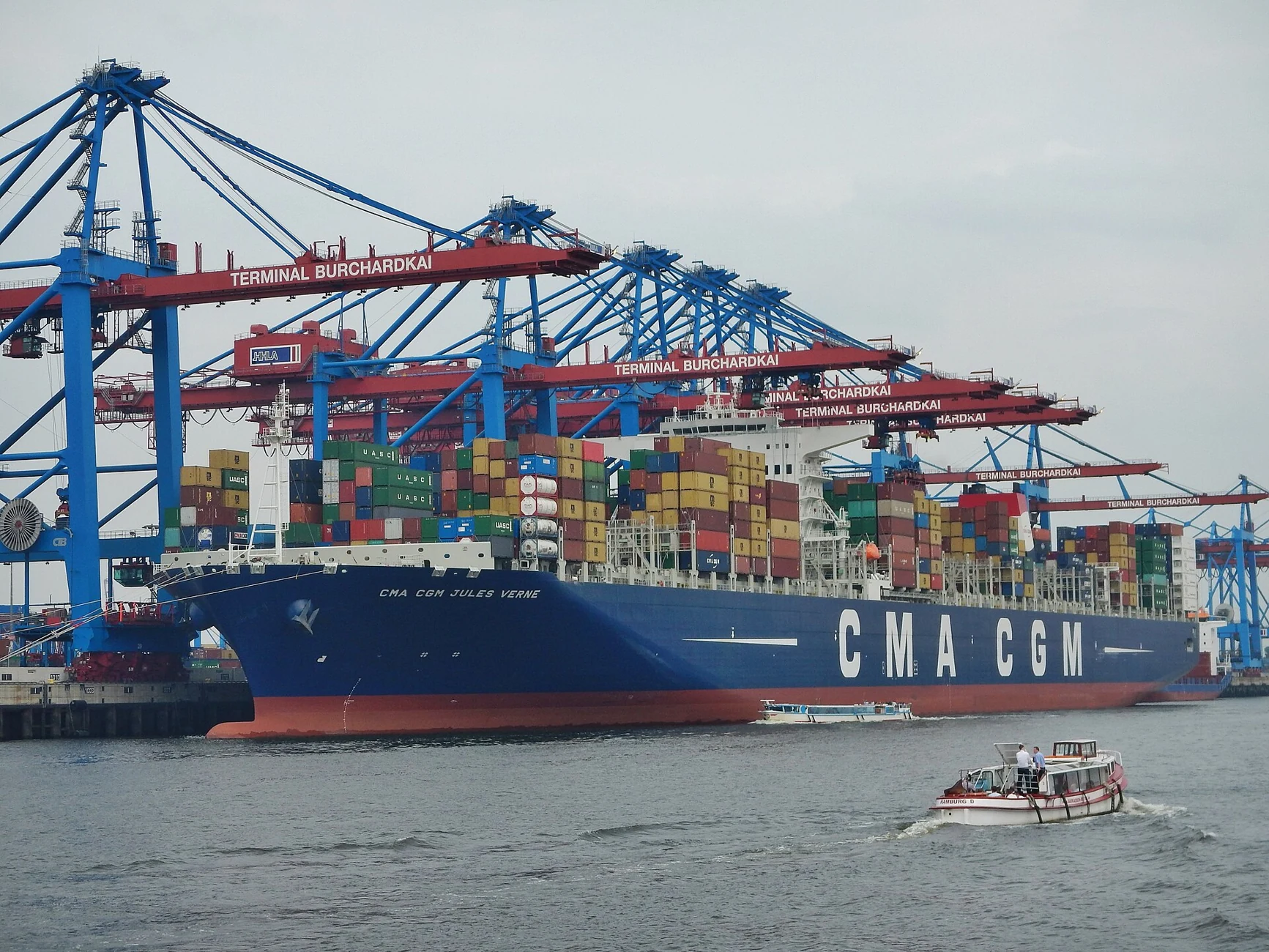
Elbwerk commissioned EMARAS to connect factory acceptance, component identity, export packing, documentation and staged delivery. The Port of Hamburg provided the maritime exit for the equipment. The central commercial test was whether what had been approved in the factory would reach the correct buyer as a complete, identifiable and installable system.
EMARAS mandate and execution
Engineering-to-shipment mapping. EMARAS translated the technical bill of equipment for each of the three lines into a transport register. Each component was linked to its serial or part identifier, function, installation location, package and assigned shipment. The register exposed missing dependencies before crates were closed.
Factory acceptance as a release gate. Acceptance-test results, open punch-list items and corrective actions were linked to packing permission. Equipment did not move to final export packing solely because a vessel cut-off was approaching. Approved assemblies were photographed and marked before transport-related disassembly so the installation team could reconstruct the verified configuration.
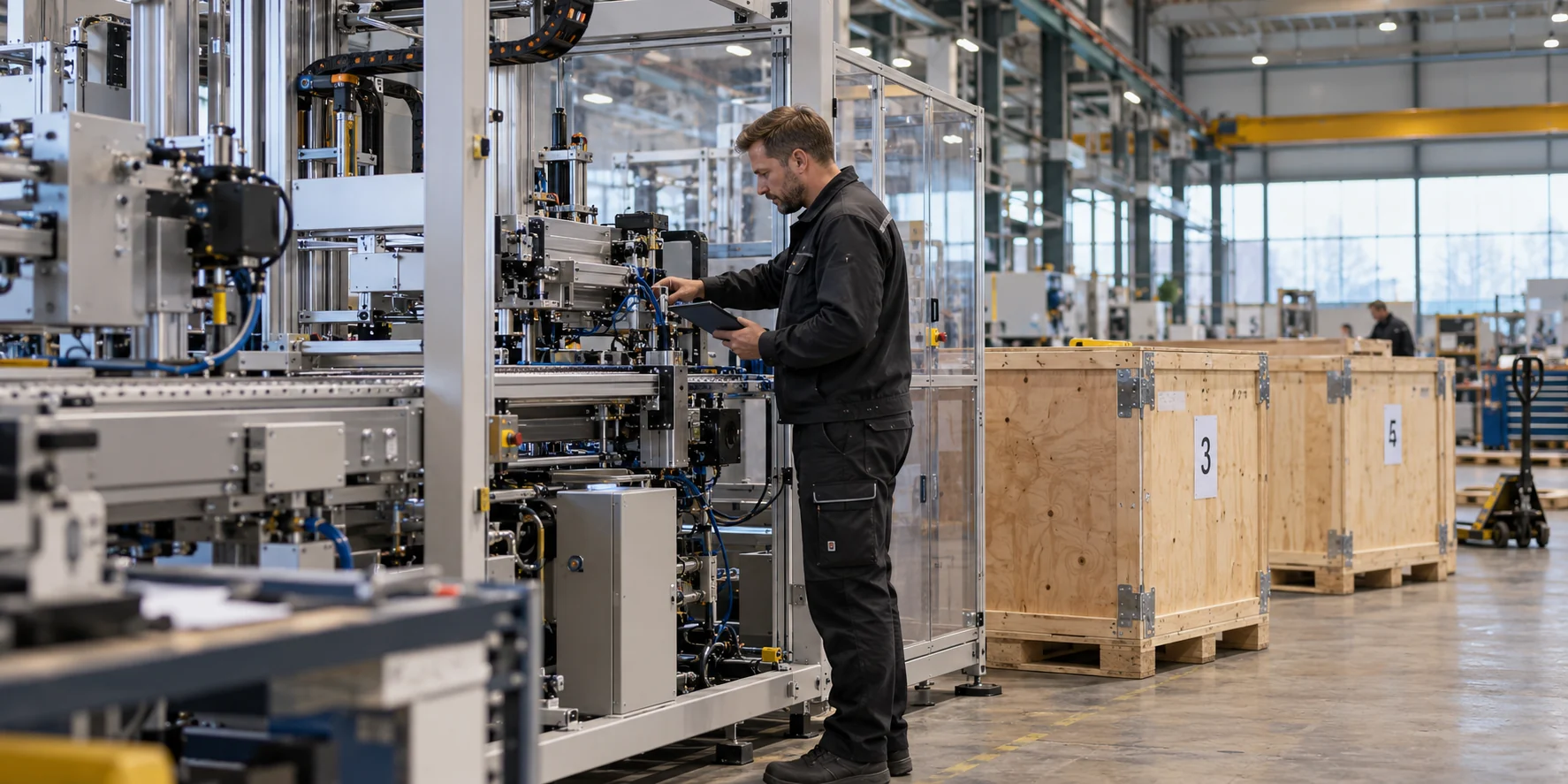
Export packing and crate identity. Packing plans accounted for vibration, moisture, weight distribution and safe handling. Each crate carried its contents, weight, dimensions and relevant handling instructions. Before container seal, the actual crate contents were reconciled against the line-level equipment register, packing list and final destination.
Export-file coordination. Commodity descriptions, serial references, values, quantities and package data were aligned across invoices, packing records and carrier information. Questions requiring a formal customs or technical decision were escalated to authorised specialists. Documentary readiness was checked before equipment entered the outward transport chain.
Installation-sequenced dispatch. Eight containers and ancillary cargo were sequenced against the receiving sites. Items required for site preparation and first-stage assembly moved ahead of equipment needed only for final testing. Each customer received a delivery file tying equipment identifiers, crate numbers, transport records and relevant technical documents to its installation phase.
Contract allocation
| Workstream | USD |
|---|---|
| Equipment and shipment architecture | 28,000 |
| Factory acceptance and export-readiness control | 34,000 |
| Packing engineering and crate traceability | 37,000 |
| Documentation and customs coordination | 29,000 |
| Hamburg transport and dispatch planning | 31,000 |
| Delivery files and installation support | 27,000 |
| Dashboard, training and process handover | 25,000 |
| Total contract value | 211,000 |
Strategic outcome
Elbwerk could trace each component from factory acceptance through its crate and container to the installation site. The tested equipment left Germany with complete identification and documentation, in the sequence required by the receiving teams.
 Operational illustration · created for this project profile