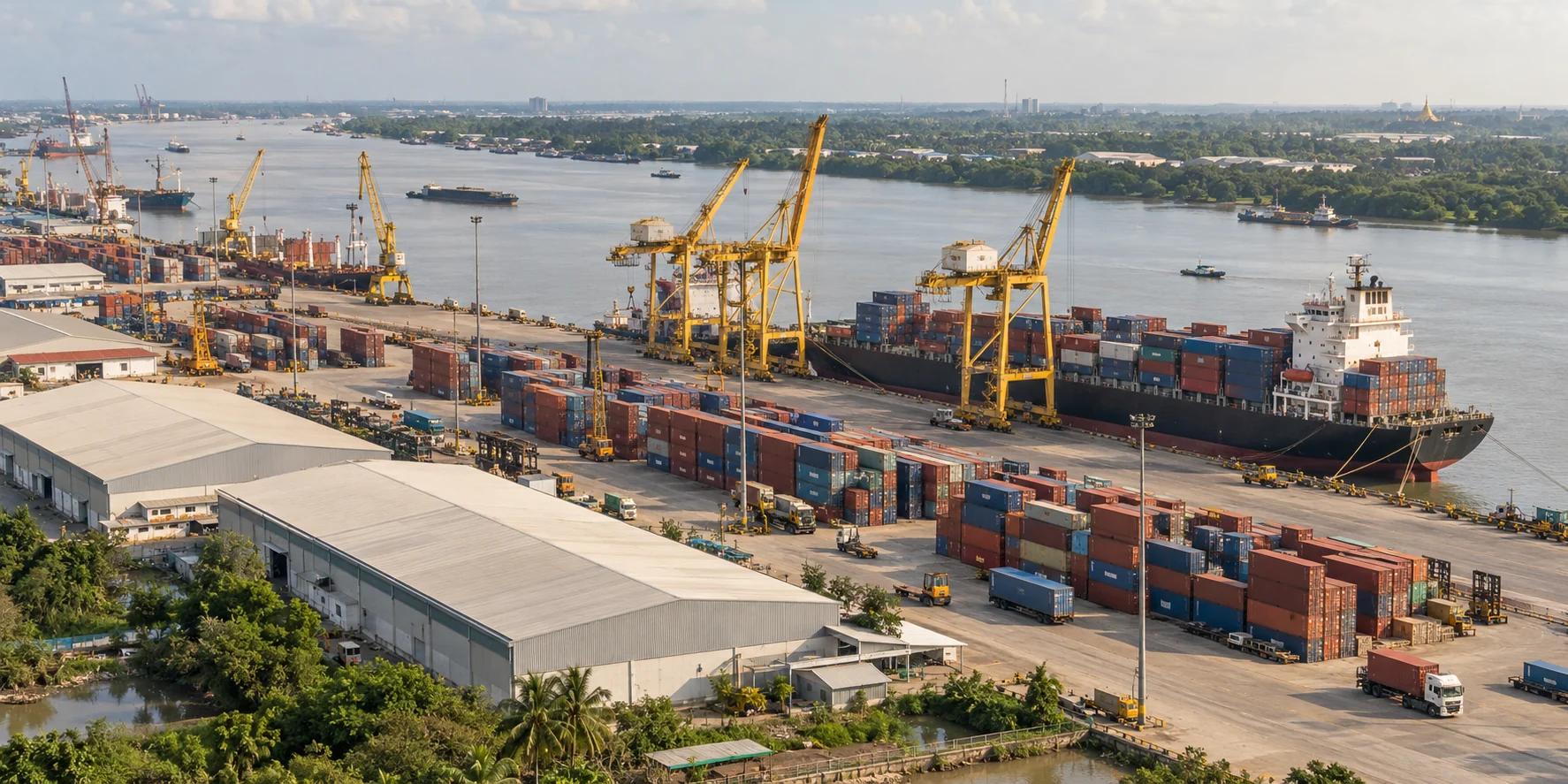
Commercial brief
Ayar Meridian Agro sourced black sesame through a network of collection points before assembling export lots near Yangon. The commercial challenge was not merely securing sufficient volume. Buyers needed to know where each lot originated, what had been accepted against specification and whether the goods loaded into a container matched the quality file offered in the sale.
Ayar appointed EMARAS to create an origin-to-loading control framework. The programme linked supplier intake, sampling, segregation, storage and export documents so that each consignment could be defended with a coherent record from collection centre to the Thilawa port area.
EMARAS mandate and execution
Collection-centre standards. EMARAS assessed intake practices and introduced common receiving standards across participating collection centres. Each delivery was recorded with its source, receipt date, net weight and designated storage location before it could be combined with an export lot.
Origin and batch identification. A unique batch identifier connected source records, sampling results, movements and final allocation. The system preserved the identity of each accepted lot and prevented material awaiting assessment from being treated as saleable export stock.
Quality and acceptance controls. Acceptance criteria covered moisture, foreign matter, appearance, packaging condition and applicable test results. Sampling was documented at defined control points. Accepted, pending and rejected material was held in separate inventory statuses, with exceptions assigned for resolution.
Warehouse and loading integrity. EMARAS mapped storage, packing and container-loading controls. A Loading Integrity File recorded the selected batches, weights, pack counts, container reference and supporting quality evidence before the final loading instruction was released.
Trade-document alignment. Commercial invoice descriptions, packing information, quantities and batch references were reconciled with the goods actually loaded. The buyer received a traceability package consistent with the shipping file, while licensed parties handled formal regulatory submissions as required.
Contract allocation
| Workstream | USD |
|---|---|
| Collection-centre assessment and standards | 36,000 |
| Batch identification and origin traceability | 42,500 |
| Sampling and quality control | 33,000 |
| Warehouse, packing and loading controls | 29,000 |
| Export-document compliance coordination | 25,000 |
| Training and procedure handover | 13,000 |
| Total contract value | 178,500 |
Strategic outcome
Ayar could give buyers a documented history of each export lot, covering origin, receipt, quality assessment, storage and loading. The programme made provenance traceable through the commercial and shipping records.
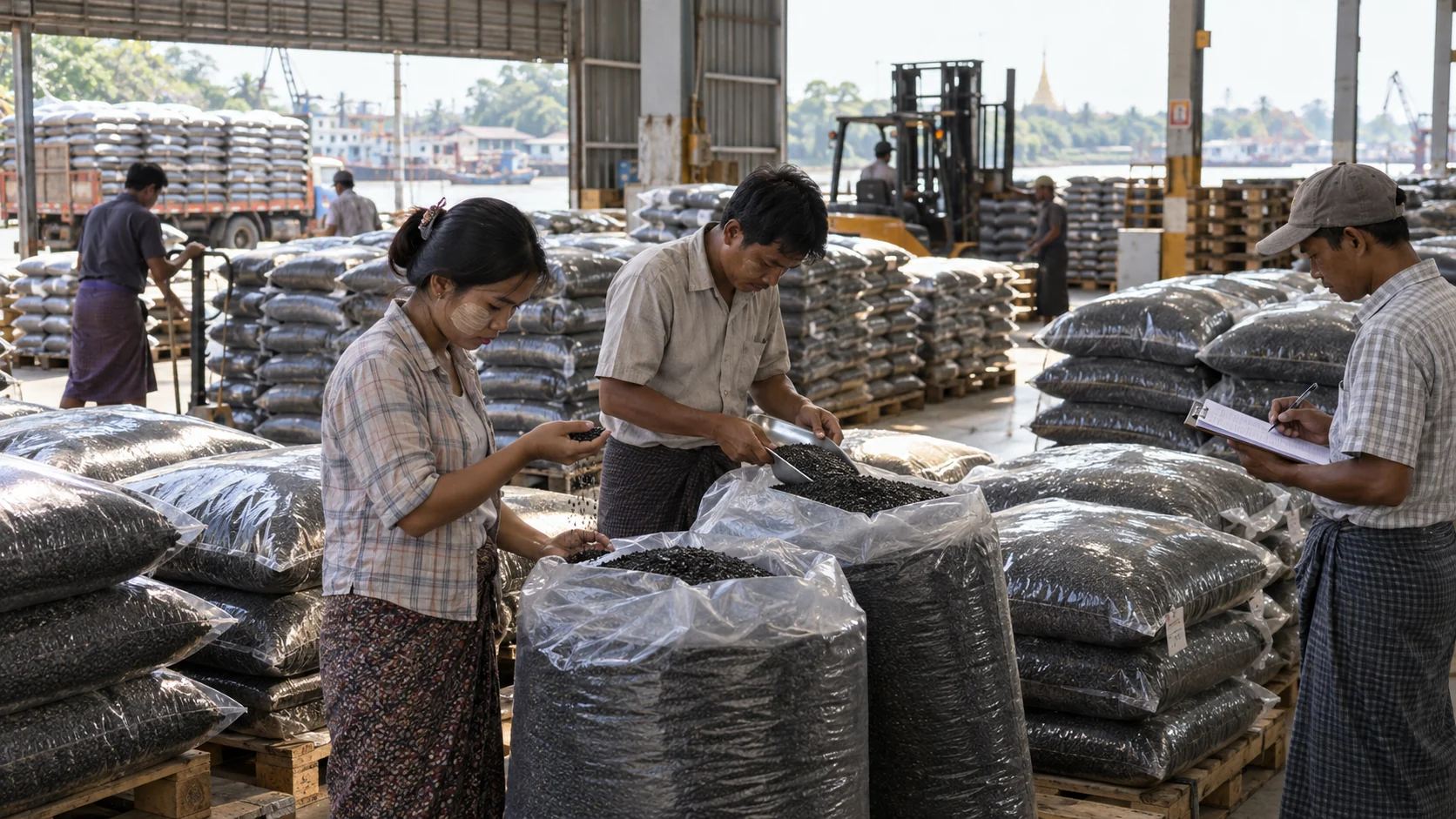 Operational illustration · created for this project profile