Commercial brief
Shanghai Lanqiao Systems manufactured industrial control modules for equipment builders in Gulf markets. Its electronic boards, precision housings and connectors came from eight separate suppliers. As export volumes increased, the company found that a final product inspection could not, by itself, establish the provenance and conformity of every component in a production batch.
Lanqiao engaged EMARAS to connect procurement, production quality, export documentation and shipping readiness. The commercial objective was to identify nonconformity before departure from China, when corrective action remained manageable, rather than after a customer had committed installation resources at destination.
EMARAS mandate and execution
Supplier risk segmentation. EMARAS assessed all eight suppliers against specification stability, defect history, delivery performance and batch traceability. Components capable of stopping the entire assembly line were designated critical. Alternative supply routes and activation thresholds were established for four of those components.
Batch-level traceability. An approved specification, supplier identifier, manufacturing batch, inspection result and customer order were linked for each of the 36 components. Lanqiao could then establish which inputs were used in a finished module and under which acceptance record they entered production.
Release-gate quality control. Inspection points were aligned at component receipt, after assembly and before export packing. When the recorded specification of one connector batch differed from the parts presented for assembly, that batch was held for retesting and correction. Other accepted orders continued through the release process.
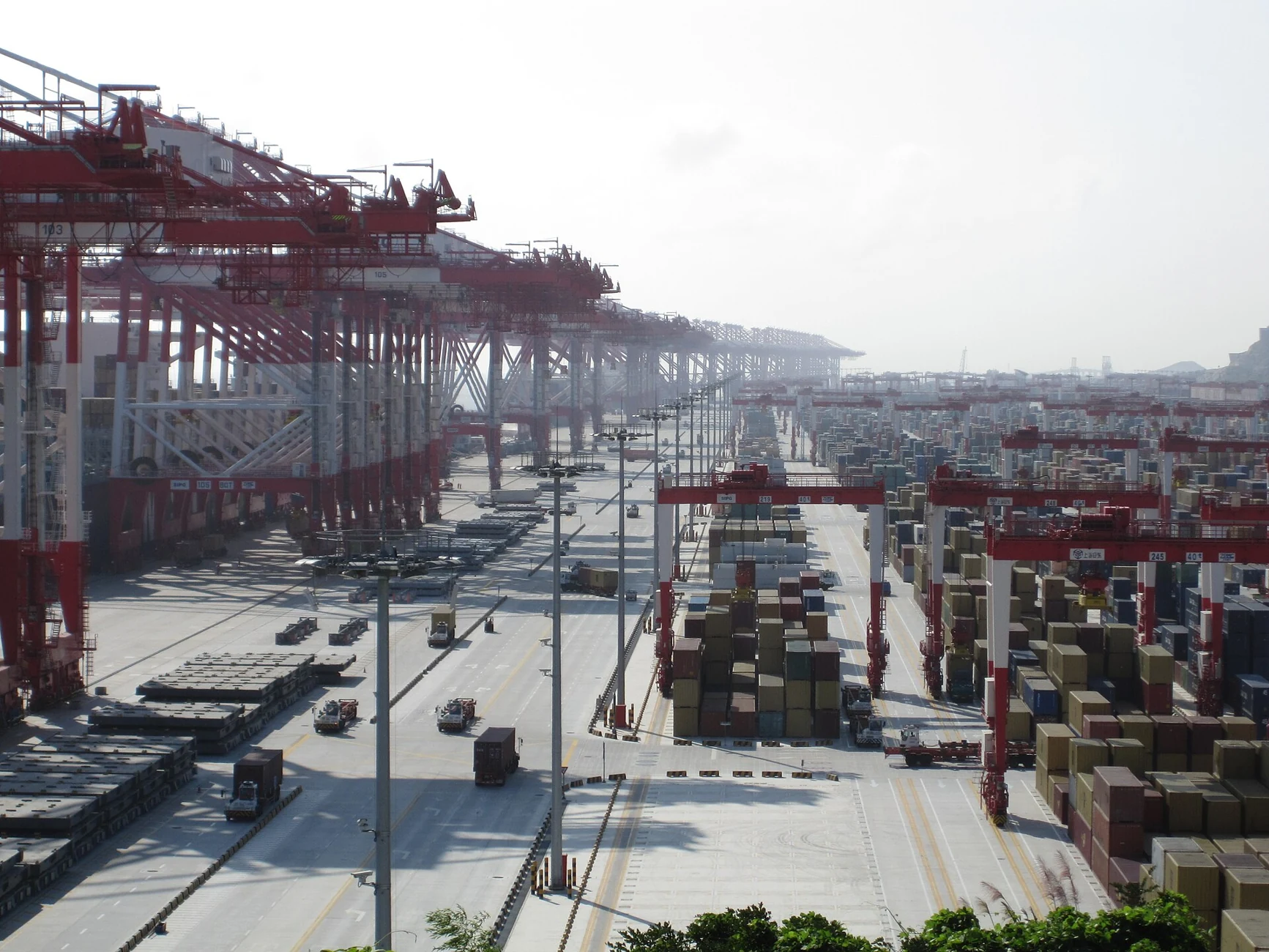
Quality-linked export scheduling. A shipment entered the loading plan only after its quality file, quantities, packing and commercial documents had been reconciled. For 12 export consignments, EMARAS maintained a single readiness status so sales commitments reflected goods genuinely available for shipment through Yangshan.
Cost of nonconformity. For each exception, EMARAS compared correction at origin, component replacement and remediation after delivery. The assessment considered direct rework, possible reshipment, customer disruption and the effect on contractual delivery.
Contract allocation
| Workstream | USD |
|---|---|
| Supplier assessment and risk ranking | 27,000 |
| Component and batch traceability design | 31,000 |
| Quality-control protocols | 24,000 |
| Production-batch oversight and exceptions | 29,000 |
| Export document and shipment coordination | 20,000 |
| Cost and operating-risk analysis | 18,000 |
| Training and operating handover | 16,000 |
| Total contract value | 165,000 |
Strategic outcome
Lanqiao could now review component quality, batch identity and shipment approval in one release record. Risks were addressed at origin, while accepted orders could proceed without waiting for unrelated discrepancies to be resolved.
 Operational illustration · created for this project profile